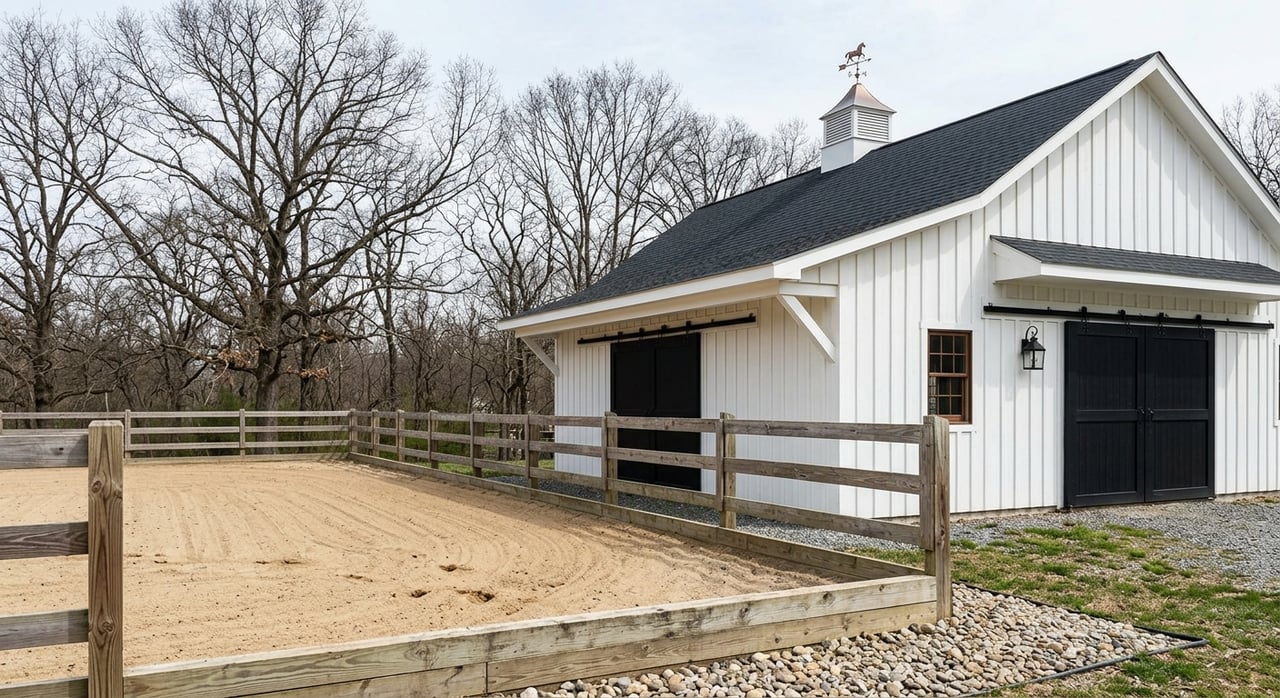
Dreaming about a barn, turnout, and a quiet ride out near Middleburg? It is easy to focus on the view, the ring, or the charm of an old farmhouse, but equestrian property buying here starts with a more practical question: what can you legally and functionally do with the land? If you want to buy with confidence, you need to look past curb appeal and understand zoning, soil, access, water, and infrastructure before you fall in love. Let’s dive in.
Why Middleburg horse property is different
Buying an equestrian property near Middleburg is not the same as buying a typical rural home. In this market, the land itself is a major part of the value, and small details can shape how you use the property day to day.
One of the biggest differences is jurisdiction. A property may be inside the Town of Middleburg, in unincorporated Loudoun County, or affected by layered approvals that change what is allowed. That means two nearby properties can look similar but have very different rules for barns, fencing, sheds, arenas, or trailer parking.
Start with jurisdiction first
Before you evaluate pasture or count stalls, confirm whether the property is inside Middleburg town limits or in Loudoun County outside the town. The Town of Middleburg says its zoning ordinance applies within town boundaries, while Loudoun County says its zoning rules apply outside incorporated towns.
That matters because the approval process can change quickly depending on location. In the town, even smaller exterior improvements like a fence or shed require a zoning permit, and if the property is in the historic district, certain work may also require a Certificate of Appropriateness before building permits can be issued.
In county territory, Loudoun requires zoning approval for new construction, additions, and changes of use outside town limits. The county also notes that zoning alone does not tell the full story because proffers, HOA covenants, easements, parcel size, and environmental constraints can further limit what you can do.
Questions to ask early
- Is the property inside Middleburg town limits or in unincorporated Loudoun County?
- Is any part of the property in the historic district?
- Are there HOA covenants, deed restrictions, easements, or proffers that affect horse use?
- Are existing barns, sheds, fences, or arenas already approved?
Zoning can shape your horse use
If you plan to keep horses, board horses, train, give lessons, or operate a larger equestrian setup, you need to match your intended use to the property’s zoning and approvals. In Loudoun County, the ordinance is specific about what kinds of horse-related uses are allowed and when acreage thresholds apply.
Loudoun says agriculture, horticulture, and animal husbandry have no minimum lot size, but animal husbandry is not allowed on parcels under 5 acres unless a Conservation Farm Plan is approved. That plan must address animals, structures, grazing areas, wells, septic fields, reserve fields, and environmental features like streams, steep slopes, and rock outcroppings.
The county also sets acreage minimums for some horse-related support uses. The research report notes a 5-acre minimum for horse-related support uses tied directly to on-site agriculture, a 15-acre threshold for stable or livery use, and a 25-acre threshold for an equestrian event facility.
Setbacks can increase with lot size, and operating-hour rules may also apply depending on the use. In other words, a property may be ideal for personal horse keeping but not for a larger commercial or semi-commercial operation.
What this means for buyers
You should not assume that a barn automatically means the current or future use is permitted. A parcel may physically support your plans but still need more review before those plans are allowed.
For that reason, a zoning map check is only the start. Loudoun directs users to parcel-level tools like WebLogis for parcel information and LandMARC for entitlements and public records, because actual approvals and restrictions can vary by property.
Soil and pasture matter more than the view
A beautiful setting is part of the appeal near Middleburg, but horses need land that performs well, not just land that looks good in listing photos. Soil, drainage, slope, and layout all influence whether a property will stay usable through wet seasons and regular hoof traffic.
The USDA NRCS identifies Web Soil Survey as the current electronic source for soil data used in land-use and management decisions. For horse property, that means you should review soil type, slope, depth, and drainage before assuming every acre works equally well for pasture or turnout.
Virginia Tech Extension’s horse-pasture guidance adds an important reality check. Horses are spot grazers, rotational grazing helps keep pastures productive, and fields often need to be divided by slope, drainage, or soil type for proper management.
The same guidance recommends soil testing at least every three years. It also notes that fertility and pH should be corrected based on the soil test, and over-application can harm water quality.
What to look for on site
- Low spots where water stands after hard rain
- Muddy gate areas and barn entrances
- Poor drainage around hydrants or loafing areas
- Thin or overgrazed pasture sections
- Lack of a sacrifice area for wet weather and hay feeding
A parcel can offer sweeping views and still be a frustrating horse property if the gates turn to mud, turnout breaks down in winter, or the best-looking field is not actually productive.
Access and layout affect daily life
Horse property is about function as much as acreage. You are not just buying land. You are buying the way trailers turn, how hay gets delivered, where manure goes, and whether a veterinarian or farrier can move through the site without trouble.
In county areas, zoning applications must show details like property lines, structures, setbacks, easements, buffers, tree-save areas, and adjacent roads. That level of detail matters because the property needs a workable layout for barns, run-in sheds, arenas, manure areas, and trailer circulation.
Loudoun’s standards also note that agricultural-support uses involving heavy equipment must have direct access to a public road, not private-easement access. For an equestrian buyer, that can be a major operational issue if regular hay deliveries, manure removal, tractors, or trailers are part of the plan.
Check the practical fit
When you tour a property, try to picture the busiest day of the year. Can a hay truck get in and out? Can a trailer turn around safely? Is there a legal and buildable spot for the improvements you want if you decide to expand later?
Fence lines, gate widths, and driveway design all matter more than they might on a standard country property. Even if the current setup works for the seller’s routine, it may not work for yours.
Water and septic deserve close review
Water access and wastewater systems are easy to overlook until they become expensive. Near Middleburg, many equestrian properties rely on private wells and onsite septic, so understanding system type, age, and maintenance history is part of smart due diligence.
Loudoun County’s Health Department reviews wells and onsite septic systems. The county requires applications and supporting work from licensed private-sector providers for wells and septic permits, and new or modified septic systems require a sewage-system construction permit.
If a property has an alternative onsite septic system, Loudoun says it must be operated, maintained, and inspected by a licensed professional. The county also recommends a maintenance agreement and twice-yearly checks.
Inside town, Middleburg’s water rules can add another layer. The town says it may declare a water emergency during severe drought or operational need and impose mandatory conservation measures, including restrictions on outdoor irrigation and other outdoor water use.
Smart questions for water and septic
- Is the property on a private well, town water, or both?
- What is the well yield and water-test history?
- How old is the septic system?
- Is the septic conventional or alternative?
- Are maintenance records available?
If you are considering wash stalls, expanded barn use, or other water-intensive improvements, these questions become even more important.
Ride-out is not automatic
One of the joys of owning horse property near Middleburg is the lifestyle, but ride-out access varies widely by parcel. Some properties may offer safer connections to trails or neighboring access, while others may require road riding or staying entirely on site.
Loudoun County maintains an interconnected trail system with equestrian trails, and county rules for equestrian use on county property include an annual waiver, an ASTM/SEI helmet while mounted, and a current negative Coggins on site. Still, county trail access is not the same thing as direct ride-out from your property.
That is why buyers should ask whether the parcel has safe off-property riding access, neighboring-farm access, or only public-road options. A property that works beautifully for private turnout may not deliver the riding routine you want.
A practical Middleburg buying checklist
Before you make an offer on an equestrian property near Middleburg, focus on these basics:
- Confirm whether the property is in the Town of Middleburg or unincorporated Loudoun County
- Verify zoning district and parcel-specific approvals
- Ask about proffers, HOA rules, easements, and deed restrictions
- Review whether your intended horse use is allowed
- Evaluate soil, drainage, and pasture condition
- Check for muddy choke points and a sacrifice area
- Confirm well, septic, and maintenance history
- Test access for trailers, hay delivery, and equipment
- Ask about ride-out and off-property riding options
- Review whether future improvements would need permits or additional approvals
Why local guidance matters
Equestrian property is rarely a simple plug-and-play purchase. Near Middleburg, the right property is often the one where the legal framework, land performance, and daily horse use all line up with your goals.
That takes a careful eye and local knowledge. A buyer who understands the difference between a pretty parcel and a functional horse property is in a much stronger position to avoid surprises and make a sound long-term decision.
If you are considering buying an equestrian property near Middleburg, working with someone who understands rural land, zoning, and the realities of horse use can make the process much clearer. To schedule a consultation or start your search, connect with Brian Macmahon.
FAQs
What should you check first when buying an equestrian property near Middleburg?
- First, confirm whether the property is inside the Town of Middleburg or in unincorporated Loudoun County, because zoning rules and approval requirements can differ significantly.
Can you keep horses on a small parcel in Loudoun County?
- Loudoun says animal husbandry is not allowed on parcels under 5 acres unless a Conservation Farm Plan is approved.
Do fences and sheds need permits in the Town of Middleburg?
- Yes. The Town of Middleburg states that even small exterior improvements such as a fence or shed require a zoning permit.
Why does soil matter for a horse property near Middleburg?
- Soil affects drainage, pasture productivity, mud control, and turnout use, so it helps determine whether the land will function well for horses throughout the year.
What water and septic questions should buyers ask about horse properties?
- Ask about the water source, well yield, water-test history, septic type, septic age, and whether maintenance records are available, especially if the property has an alternative septic system.
Is trail access guaranteed on equestrian property near Middleburg?
- No. Ride-out access varies by parcel, so you should ask whether the property has direct trail connections, neighboring access, or only public-road riding options.