What if the best marketing for your horse property happens every time the gates open at Great Meadow? If you own or want to buy acreage near The Plains or Marshall, you already feel the pull of big event weekends and the steady rhythm of local training and riding. You want to understand how that activity translates into real value. In this guide, you’ll learn how marquee events shape demand, what counts as turnkey, and how to time your move to capture the “Great Meadow premium.” Let’s dive in.
Great Meadow’s role in the local market
Great Meadow sits in The Plains and serves as a dedicated equestrian venue and a community hub. It draws hobbyists, competitors, trainers, and spectators from the Washington and Baltimore region and beyond. That flow of people creates a visibility engine for nearby horse properties.
Recurring, high‑attendance events concentrate potential buyers who are already thinking about boarding, training, and turnkey farm setups. This buyer aggregation is a big reason The Plains and Marshall stand out as micro‑markets within Fauquier County.
The Plains and Marshall micro‑market
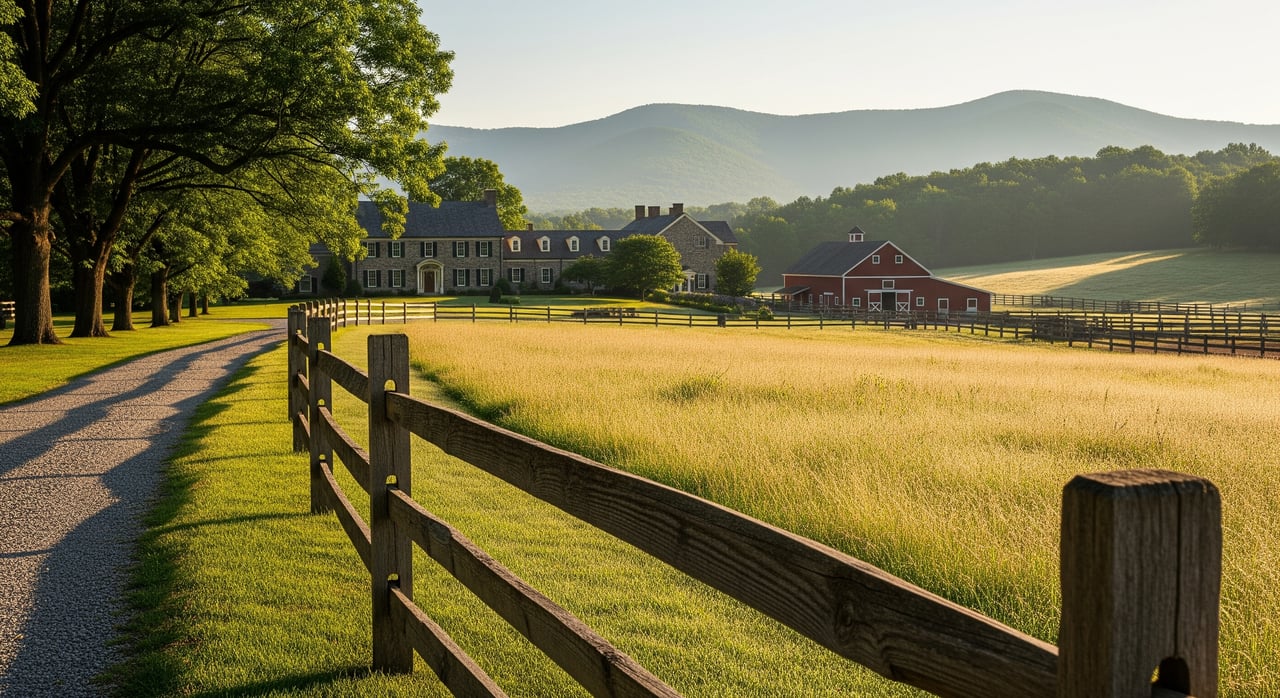
The Plains and Marshall offer rural and semi‑rural living with a strong equestrian identity. You find private estates, hunts, small working farms, and training facilities in close proximity. For equestrian buyers, quick access to Great Meadow is a defining locational benefit.
The year‑round ecosystem matters. Local trainers, boarding barns, farriers, equine veterinarians, and trail networks support daily horse activity, not just event weekends. When those services are strong, they raise the practical utility of nearby properties and reinforce demand.
How marquee events drive demand and price
Visibility and buyer aggregation
Large events bring many prospective buyers to one area at once. Some compare properties while they are in town. This raises the effective buyer pool and can speed up deals for well‑presented listings.
Signaling and perceived scarcity
Proximity to Great Meadow signals convenience, community, and prestige to many equestrian buyers. When inventory is tight, that signal drives a stronger willingness to pay for the right setup.
Seasonal marketing windows
Event weekends create natural marketing moments. Sellers can time open houses, private showings, and targeted ads to coincide with attendance spikes. Buyers can use those windows to see how traffic, noise, and access feel in real time.
Spillover economic effects
Events support local feed stores, tack shops, hospitality, and shipping services. Buyers value these support systems when relocating with horses. A robust local network raises day‑to‑day property utility and can support premium pricing.
Buyer segments to watch
Attendees include affluent amateurs, trainers, riders planning retirement acreage, and lifestyle buyers who want privacy with equestrian capacity. They value different features, but most share an interest in being close to a marquee venue and a reliable service network.
What “turnkey” really means here
Turnkey means more than acreage. It means you remove friction for a buyer on day one.
Core infrastructure
- Quality barn or barns with safe stalls, tack rooms, wash stalls, and feed storage
- All‑weather ring or rings with suitable footing for schooling and lessons
- Fenced turnout paddocks aligned with herd size and use
- Secure perimeter and cross‑fencing appropriate for horses and discipline
- Optional hunt or jumper features if marketed to those buyers
Operational readiness
- Functional drainage and irrigation where needed
- Manure management plan and storage or removal solution
- Reliable well water and proven septic sized for household and visitor flow
- Equipment conveyance where practical, such as tractors, mowers, or feeders
Regulatory and legal readiness
- Clear permits and approvals for accessory buildings, arenas, and any guest or commercial use
- Accurate explanation of permitted uses under county zoning
- Records of maintenance, footing work, and animal care
Service and access factors
- Proximity to equine vets, ambulatory services, farriers, and feed or tack suppliers
- Practical access to trails or hunt country, with clear understanding of easements and routes
Presentation and documentation
- Organized operating costs and utility maps with paddocks, water, and power lines marked
- Photos or video showing arenas, barns, paddocks, and horse flow
- An operations manual and contact list for service providers
Pricing and valuation near Great Meadow
Equestrian properties are a niche, and standard MLS comps may be thin. You should adjust for turnkey infrastructure and proximity to Great Meadow. The most influential drivers include arena quality, stall count and layout, turnout acreage and fencing, ease of access to the venue, and guest or rental facilities for visiting trainers or clients.
Inventory for true turnkey farms is limited. Well‑maintained horse properties often sell faster than “fixers” because they reduce ramp‑up costs and uncertainty for buyers. On the financing side, rural and horse property loans can be underwritten differently, and appraisals may miss the full value of specialty improvements without good documentation.
If you are selling, provide cost records for barns, rings, fencing, and site work. If you are buying, ask for that detail. Solid records help support appraised value and keep a deal moving.
Zoning, taxes, and conservation in Fauquier County
Zoning designations and permitted uses directly affect your ability to host boarding or lessons on a property. Confirm whether accessory buildings, arenas, or commercial activities are allowed on a given parcel. Sellers should disclose any conservation easements, covenants, or resource protections such as RPA areas or steep slopes.
Potential tax incentives, including land use or agricultural assessments, may reduce carrying costs for qualified properties. These programs can have resale implications, so request details in writing. Stormwater rules, wetlands protection, stream buffers, and nutrient management may limit where you place new structures or how much acreage is truly usable.
Seller strategies to capture the premium
Timing and presentation matter when events bring audiences to your doorstep.
- Schedule open houses and private showings during major event weekends
- Emphasize drive times to Great Meadow and show clear access routes
- Present a true turnkey package, including staple equipment where appropriate
- Disclose zoning, permits, and recent maintenance with invoices and records
- Use equestrian channels such as event programs, discipline‑specific groups, and trainer networks
- Invest in high‑quality video, drone, floor plans, and site maps that show paddocks and cross‑fencing
- Highlight testimonials from trainers or riders familiar with the property or the venue
Buyer strategies to secure value
Buy with both convenience and operations in mind.
- Visit during events to evaluate traffic patterns, parking, and local hospitality
- Meet local trainers and barns to understand the network and boarding landscape
- Confirm zoning and permits for your intended use before you write an offer
- Review well capacity, water quality, and septic sizing and condition
- Budget for near‑term upkeep such as fencing repairs, pasture management, and arena resurfacing
- Request an inventory of included equipment and a schedule of recurring costs
The 5 to 20 minute rule of thumb
“How close is close enough?” Buyers vary, but many target a 5 to 20 minute drive to Great Meadow. That range allows easy hauling for schooling, lessons, and early start times. As inventory tightens, well‑equipped properties inside that drive time can command a measurable premium when infrastructure is truly turnkey.
How Brian MacMahon helps you compete
You want a trusted advisor who understands farms, land, and local event cycles. Brian MacMahon offers boutique, locally expert representation through Sheridan~MacMahon, Ltd., backed by third‑generation regional ties. You get data‑driven pricing, clear comps adjusted for equestrian improvements, and a high‑touch plan from valuation through closing.
On the marketing side, you benefit from full‑service production, multi‑portal distribution, and targeted outreach to equestrian audiences. For buyers, you get careful property vetting, zoning and permit clarity, and practical guidance on operations and long‑term maintenance. The goal is simple: position you to capture the Great Meadow effect with confidence.
Ready to talk strategy for your farm or to start your search near The Plains and Marshall? Request a free home valuation or schedule a consultation with Brian MacMahon at Sheridan~MacMahon, Ltd.
FAQs
How close to Great Meadow should I be for daily convenience?
- Many buyers target a 5 to 20 minute drive to allow easy hauling for schooling, lessons, and event schedules.
How much price premium does proximity add in Fauquier County?
- There is no fixed number; proximity plus high‑quality, turnkey infrastructure can command a measurable premium when inventory is limited.
What features make a horse property truly turnkey near The Plains and Marshall?
- Safe barns, all‑weather arenas, quality fencing, adequate turnout, reliable well and septic, documented permits, and organized operating records.
Can I run a boarding or lesson business on a Fauquier County property?
- It depends on zoning, septic and well capacity, road access, and any covenants or easements; always confirm permitted uses with county requirements.
What operating costs should equestrian buyers expect here?
- Plan for barn and fence maintenance, pasture care, arena resurfacing, manure management, utilities, insurance, and staffing if you run a commercial operation.
What inspections are critical for horse farms near Great Meadow?
- Structural review of barns and arenas, well testing and pump condition, septic inspection, fencing safety checks, and environmental or resource assessments.
How do lenders and appraisers treat specialized farm improvements?
- Underwriting can differ for rural and equestrian properties, and appraisals vary; detailed cost records for improvements help support value.