
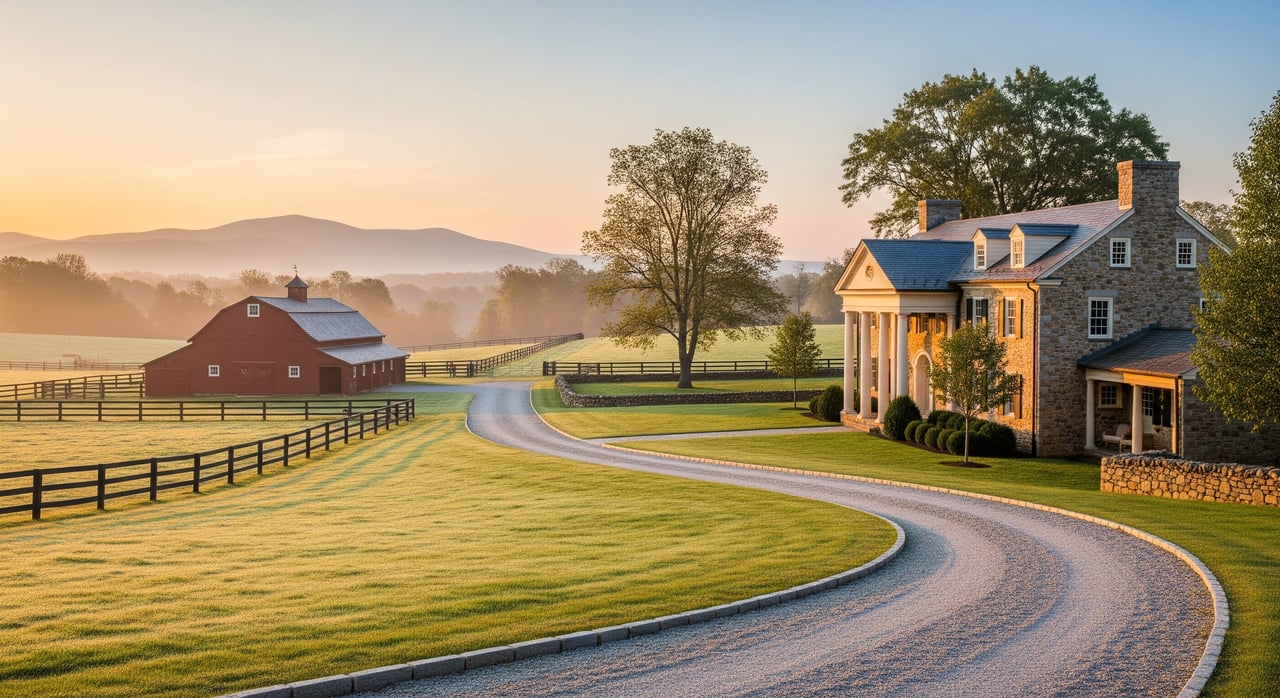
Thinking about trading city noise for open skies, starry nights, and a little more elbow room? You’re not alone. Many DC and Northern Virginia professionals look to Fauquier County when they picture a quieter, country-style life without losing touch with the region. In this guide, you’ll get a clear, practical picture of what rural living here really looks like, from commutes and utilities to weekend fun and what to check before you buy. Let’s dive in.
The feel of Fauquier County
Fauquier County is classic Virginia Piedmont horse country. You’ll see rolling hills, working farms, and small historic towns with brick sidewalks and independent shops. Warrenton is the county seat and the largest town, and smaller communities like Marshall and The Plains add to the area’s charm.
The countryside is not an accident. County planning places a strong focus on preserving open space and agriculture. Growth tends to cluster in and around existing towns and along key road corridors, while many rural areas maintain larger lot sizes and conservation protections. The result is a relaxed, scenic setting with tree-lined roads and wide views.
Commutes and weekday rhythms
Commuting realities
Most residents drive. Public transit inside the county is limited, and people often commute by car to job centers in Manassas, Fairfax County, Tysons, or Washington, DC. You’ll likely trade longer door-to-door times for more space, privacy, and a quieter setting.
Hybrid schedules make this lifestyle easier. If you telework a few days a week, the balance can feel very manageable. Just remember that your route, departure time, and weather can change the experience. Many buyers do test drives during rush hour before they commit.
Weekday flow
A typical weekday blends school drop-offs, work, and errands in town. You may plan grocery runs or appointments around commute peaks to avoid traffic. Evenings often center on local sports, riding lessons, civic meetings, or a relaxed dinner at a neighborhood spot.
Weekends in the country
Weekends slow down and spread out. You might visit farmers markets, explore local wineries or breweries, or head to nearby trails for a hike. Equestrian events are part of the cultural fabric. In fall and spring, expect more traffic near tasting rooms and event venues as seasonal visitors come to enjoy the scenery.
Housing and land basics
Home types and lot sizes
Outside town limits, you’ll find single-family homes on larger lots, small farms, and equestrian properties. In town, there are compact neighborhoods, historic homes, and some townhomes. Newer subdivisions exist along growth corridors, but the county maintains rural zoning across much of its land.
If you want acreage, you’ll have options. Some properties offer fenced pastures, barns, and outbuildings. Others provide wooded privacy or open fields. It pays to be specific about how you plan to use the land, since features like outbuildings, access, and fencing can matter as much as the house itself.
Zoning, easements, and HOAs
Rural parcels can come with conservation easements, agricultural use classifications, or HOA covenants that shape what you can do with the land. Zoning rules may influence lot splits, livestock, building placement, or future additions. Before you make an offer, review county zoning and any recorded documents so you understand the path for your goals.
Costs you should expect
- Property taxes and assessments vary year to year. The county provides the current tax rate, assessment process, and any available exemptions.
- Insurance, driveway upkeep, and tree care can be higher in rural settings. Build a buffer for seasonal maintenance.
- If the property has a well and septic system, plan for routine inspections, pump-outs, and potential upgrades over time. These are common and manageable costs when you plan ahead.
Utilities that shape daily life
Water and sewer
Many rural homes use private wells and septic systems. Towns like Warrenton typically have municipal water and sewer. Always verify utility service for each address. A well and septic add a few steps to due diligence, including water testing and septic inspections.
Power and backup
Electric service comes from regional utilities. Outages are usually infrequent, though storms can occasionally cause interruptions. Many rural owners keep a portable generator or consider a backup system for peace of mind, especially if you rely on a well pump and home office setup.
Internet and cell service
Broadband can be the deciding factor if you work from home. Coverage varies by address, and speeds can differ even on the same road. Fixed wireless, cable, fiber, or satellite may be available depending on location. Always test actual speeds at the property and check cell reception in the house and along your commute routes.
Trash and recycling
Service varies by town and locality. In rural areas, you may contract with a private hauler or use county facilities. Ask sellers how they currently manage trash and recycling, then confirm options with local providers.
Scenery, food, and wine
Farmers markets and local producers
The local food scene is robust, with seasonal farmers markets, farm stands, and CSA programs. You can pick up produce, meats, and baked goods close to home, then supplement with larger grocery trips in town. Small-scale specialty shops often cluster around main streets.
Wine, breweries, and agritourism
Fauquier sits in Northern Virginia wine country. You’ll find tasting rooms, vineyards, and agritourism experiences across the county. Weekends can feel lively near these destinations. Plan early arrivals on peak days for an easier visit and less traffic.
Trails, horses, and day trips
If you ride, you’ll find boarding stables, riding lessons, and a calendar of regional equestrian events. For hiking or cycling, local parks and nearby Blue Ridge access offer quick escapes. Many families build a routine around outdoor time, whether that’s a morning trail run or an afternoon picnic with a view.
Decision checklist before you buy
Make sure the property fits your life by working through these steps:
- Do two or three commute test runs during typical rush hours from the property to your workplace. Try different departure times.
- Test home internet speeds on-site, morning and evening. Confirm service options with multiple providers.
- Check cell reception in the home and along regular drive routes.
- Verify school boundaries, enrollment processes, and program offerings directly with the district.
- Visit on a weekday and a weekend. Note traffic near wineries, event venues, or town centers.
- Request well and septic records from the county, and ask the seller for maintenance logs and any recent water quality tests.
- Review zoning, conservation easements, and HOA covenants. Confirm your intended uses with county staff if needed.
- Ask about trash service, snow removal, and driveway maintenance responsibilities.
- Walk the property lines, review surveys, and look for drainage patterns or wet areas after rain.
- Talk to neighbors and local businesses to learn about community rhythms and planned projects.
Trade-offs to weigh
Rural living in Fauquier brings space, privacy, and a peaceful setting. You can garden, keep animals on the right parcel, and spend more time outdoors. The trade-offs include longer drives, spread-out services, and a bit more self-reliance for maintenance. Many buyers find the balance worth it, especially with a hybrid work schedule and a plan for utilities and upkeep.
How we guide your move
Buying rural property is different from buying a suburban home. You want an advisor who understands land use, wells and septic, conservation easements, and the logistics that come with acreage. You also want clear, data-backed pricing and marketing when it’s time to list.
With a boutique, family-rooted practice that blends estate and land expertise with modern marketing, you get the best of both worlds. You receive hands-on guidance through inspections and records, plus research-driven valuation and broad exposure when selling. Whether you’re moving up to acreage, downsizing from a farm, or finding a commuter-friendly home in town, you should feel informed and confident at every step.
Ready to explore Fauquier living or request an instant valuation? Reach out to Brian Macmahon to start a conversation that is tailored to your goals.
FAQs
Is commuting from Fauquier to DC realistic?
- Many residents do it, often with hybrid schedules. Your experience depends on your route, departure time, and job location, so test-drive the commute during rush hours before deciding.
How reliable is rural internet in Fauquier?
- Coverage and speeds vary by address. Test on-site speeds at different times of day and confirm provider options. Consider backup plans if telework is essential.
What should I know about wells and septic?
- They are common outside town limits. Plan for routine inspections, pump-outs, and water testing. Ask for maintenance records and review county files before you buy.
Can I keep horses or start a small farm?
- Many properties and zoning categories allow agricultural uses. Confirm permitted uses with county zoning and check any HOA rules linked to the property.
How do I research public schools in Fauquier?
- Start with the county school district for boundaries and enrollment, and the state education department for data. Verify details directly with the district before you buy.